


Does Homeowners Insurance Cover Mold?

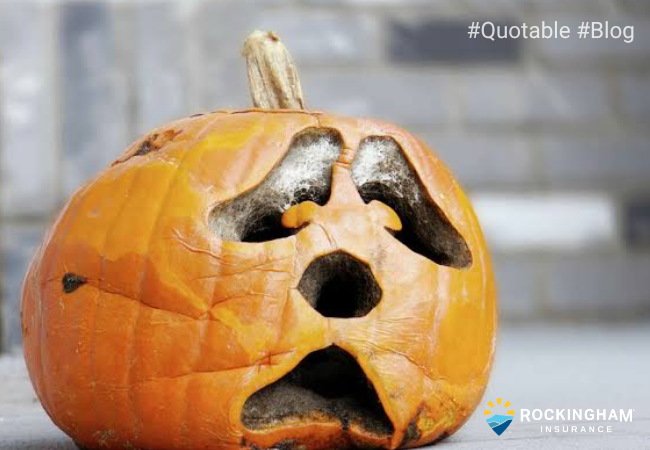
Spooky season is upon us, and there are few things scarier to homeowners than discovering mold growing behind a wall, under a sink or in a damp basement. What starts as a small water stain can turn into a much bigger problem if moisture goes unchecked.
But when it comes to mold, there's another question that can haunt homeowners: Will insurance cover the cleanup?
The answer depends largely on what caused the mold in the first place.
When Can Homeowners Insurance Cover Mold?
Mold isn't automatically covered or excluded under every homeowners policy. Coverage usually depends on whether the mold resulted from a sudden, accidental event that's covered by your policy.
For example, if a pipe unexpectedly bursts and causes water damage that leads to mold growth, your policy may help cover the resulting damage and remediation, subject to its terms, limits and exclusions. Other situations that may qualify for coverage include mold resulting from certain covered water losses, such as a sudden appliance leak.
What Mold Damage Isn't Typically Covered?
Unfortunately, not every mold problem comes with an insurance safety net.
Homeowners insurance generally doesn't cover mold caused by neglected maintenance, long-term leaks or persistent moisture issues, like a slow leak under the kitchen sink that goes unnoticed for months, or chronic condensation from poor ventilation.
Flood damage is also generally excluded, including any mold that grows as a result. That typically requires a separate flood insurance policy.
Every policy is different, so it's important to understand your specific coverage, including any limits that apply to mold remediation.
Where To Look and How to Keep Mold from Becoming a Monster
You don't need a haunted house, or even an older home, to have a mold problem. All mold needs to grow is moisture and a suitable surface. A few habits can help you catch trouble early:
- Bathrooms: Use exhaust fans and check around showers, tubs, sinks and areas with poor ventilation.
- Basements and crawl spaces: Pay attention to damp walls, musty smells and signs of water intrusion. Use a dehumidifier in damp areas.
- Kitchens and laundry rooms: Check under sinks and around dishwashers, washing machines and plumbing connections. Fix leaks as soon as you notice them.
- Attics, windows and exterior walls: Inspect your roof and windows periodically for leaks and condensation. Keep gutters and downspouts clear so water drains away from your foundation.
What Should You Do If You Find Mold?
If you discover mold, don't ignore it and hope it disappears. Taking action quickly can help prevent further damage. Here's where to start:
- Find the source of the moisture and stop it if it’s safe to do so. Look for p=leaking pipes, roof damage or condensation. If a pipe is leaking, shut off the water supply, even if that means temporarily shutting off the entire home’s water. For a significant leak or structural damage, contact a qualified professional.
- Document the damage. Take photos and videos of the affected areas and any visible signs of the water problem. Keep records of when you discovered the damage and any steps you've taken.
- Contact your trusted Rockingham Insurance agent. If you suspect the mold resulted from a sudden water loss, reach out to your agent. They can help you understand your next steps and how to begin the claims process.
- Arrange for appropriate cleanup and repairs. Depending on the extent of the problem, professional assessment and remediation may be necessary. Don't delay addressing the moisture source while you determine your coverage.
Don't Let Mold Coverage Be a Mystery
Mold may be an unwelcome surprise, but understanding your homeowners insurance doesn't have to be frightening.
Now is a good time to review your coverage limits and ask whether any additional protection may be available to you. If you have questions about your homeowners insurance or aren't sure what your policy covers, your local Rockingham Insurance agent can help you understand your options.
Because when it comes to protecting your home, the only thing that should be scary this Halloween is the decorations.
*This information is provided for illustrative purposes only. Whether a particular loss is covered depends on the specific facts and provisions, exclusions, and actual policy limits. The site contents do not alter the Terms or Conditions of our policies. Coverage options, limits, discounts, deductibles, and other features are subject to meeting our underwriting criteria.
Spooky season is upon us, and there are few things scarier to homeowners than discovering mold growing behind a wall, under a sink or in a damp basement. What starts as a small water stain can turn into a much bigger problem if moisture goes unchecked.
But when it comes to mold, there's another question that can haunt homeowners: Will insurance cover the cleanup?
The answer depends largely on what caused the mold in the first place.
When Can Homeowners Insurance Cover Mold?
Mold isn't automatically covered or excluded under every homeowners policy. Coverage usually depends on whether the mold resulted from a sudden, accidental event that's covered by your policy.
For example, if a pipe unexpectedly bursts and causes water damage that leads to mold growth, your policy may help cover the resulting damage and remediation, subject to its terms, limits and exclusions. Other situations that may qualify for coverage include mold resulting from certain covered water losses, such as a sudden appliance leak.
What Mold Damage Isn't Typically Covered?
Unfortunately, not every mold problem comes with an insurance safety net.
Homeowners insurance generally doesn't cover mold caused by neglected maintenance, long-term leaks or persistent moisture issues, like a slow leak under the kitchen sink that goes unnoticed for months, or chronic condensation from poor ventilation.
Flood damage is also generally excluded, including any mold that grows as a result. That typically requires a separate flood insurance policy.
Every policy is different, so it's important to understand your specific coverage, including any limits that apply to mold remediation.
Where To Look and How to Keep Mold from Becoming a Monster
You don't need a haunted house, or even an older home, to have a mold problem. All mold needs to grow is moisture and a suitable surface. A few habits can help you catch trouble early:
- Bathrooms: Use exhaust fans and check around showers, tubs, sinks and areas with poor ventilation.
- Basements and crawl spaces: Pay attention to damp walls, musty smells and signs of water intrusion. Use a dehumidifier in damp areas.
- Kitchens and laundry rooms: Check under sinks and around dishwashers, washing machines and plumbing connections. Fix leaks as soon as you notice them.
- Attics, windows and exterior walls: Inspect your roof and windows periodically for leaks and condensation. Keep gutters and downspouts clear so water drains away from your foundation.
What Should You Do If You Find Mold?
If you discover mold, don't ignore it and hope it disappears. Taking action quickly can help prevent further damage. Here's where to start:
- Find the source of the moisture and stop it if it’s safe to do so. Look for p=leaking pipes, roof damage or condensation. If a pipe is leaking, shut off the water supply, even if that means temporarily shutting off the entire home’s water. For a significant leak or structural damage, contact a qualified professional.
- Document the damage. Take photos and videos of the affected areas and any visible signs of the water problem. Keep records of when you discovered the damage and any steps you've taken.
- Contact your trusted Rockingham Insurance agent. If you suspect the mold resulted from a sudden water loss, reach out to your agent. They can help you understand your next steps and how to begin the claims process.
- Arrange for appropriate cleanup and repairs. Depending on the extent of the problem, professional assessment and remediation may be necessary. Don't delay addressing the moisture source while you determine your coverage.
Don't Let Mold Coverage Be a Mystery
Mold may be an unwelcome surprise, but understanding your homeowners insurance doesn't have to be frightening.
Now is a good time to review your coverage limits and ask whether any additional protection may be available to you. If you have questions about your homeowners insurance or aren't sure what your policy covers, your local Rockingham Insurance agent can help you understand your options.
Because when it comes to protecting your home, the only thing that should be scary this Halloween is the decorations.
*This information is provided for illustrative purposes only. Whether a particular loss is covered depends on the specific facts and provisions, exclusions, and actual policy limits. The site contents do not alter the Terms or Conditions of our policies. Coverage options, limits, discounts, deductibles, and other features are subject to meeting our underwriting criteria.
Related posts
Read more articles related to the one you just finished.




Get a Homeowners insurance quote.
Start the process of finding the right coverage for you. Get a quote and compare us to other companies. Then call an agent and get the right coverage for the right price.