.avif)
.png)

Hurricane Season Prep vs. Flood Coverage: Are You Really Protected?

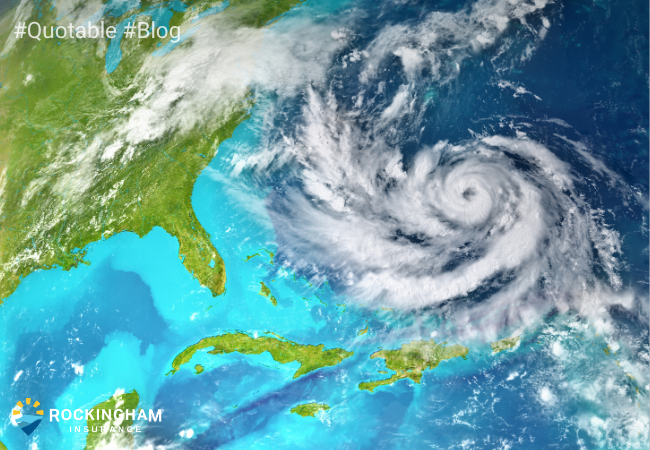
When you hear the word 'hurricane,' you probably think of Florida, but did you know that Virginia has been impacted by over 100 named storms since the 1850s?
Though storms tend to weaken as they make landfall and move inland, they can still bring high winds, heavy rainfall, fallen trees, flash flooding and prolonged power outages far beyond the shoreline. So, whether you live in the Shenandoah Valley, the Piedmont region or along the coast, it's worth taking some time to prepare before hurricane season reaches its peak.
The first step? Understanding what your insurance does and doesn't cover when it comes to these late summer and early fall storms.
What does homeowners insurance cover during a hurricane?
A standard homeowners insurance policy typically covers damage caused by wind, which is often one of the biggest threats during a hurricane or tropical storm.
Depending on your policy, coverage may include damage from:
• Wind lifting or damaging your roof
• Hail damaging your home
• Falling trees or limbs caused by high winds
• Wind-driven debris breaking windows or damaging siding
• Personal belongings damaged by a covered event
As always, every policy is different, so it's important to review your specific coverage with your trusted Rockingham Insurance agent.
What doesn't homeowners insurance cover during a hurricane?
While your homeowners policy covers many types of storm-related damage, there's one important gap to be aware of: flooding. Damage caused by rising water, storm surge, overflowing rivers or flash flooding typically isn't covered under a standard homeowners policy. That protection requires a separate flood insurance policy.
The distinction can become confusing after a hurricane, when wind and water often cause damage at the same time. For example, if high winds damage your roof and rain enters your home, that's generally covered by homeowners insurance. But if a nearby creek overflows and floods your basement, that damage may not be covered.
If you're unsure what your policy covers, your local agent can review your coverage and help you determine whether additional protection makes sense for your home.
Prepare now, not when a storm is approaching
Along with gathering flashlights, batteries and emergency supplies, take a few minutes to review your insurance coverage.
Below are a few simple steps that can make a big difference:
• Review your homeowners insurance policy.
• Ask your agent whether additional coverage is right for your home.
• Photograph your home and valuable belongings for your records.
• Trim dead or damaged tree limbs near your home.
• Secure outdoor furniture, grills and other loose items before a storm arrives.
• Store important documents in a waterproof container or digitally in a secure location.
Preparing ahead of time can make a world of difference in reducing stress and making the claims process easier if severe weather occurs.
Peace of mind starts before the forecast
Hurricane season runs from June 1 through November 30, with August through October typically bringing the greatest activity. The best time to review your protection is before you need it.
If you have questions about what your homeowners policy covers or what makes sense for your property, your local Rockingham Insurance agent can help you understand your options and make sure you're prepared for whatever this hurricane season may bring.
When you hear the word 'hurricane,' you probably think of Florida, but did you know that Virginia has been impacted by over 100 named storms since the 1850s?
Though storms tend to weaken as they make landfall and move inland, they can still bring high winds, heavy rainfall, fallen trees, flash flooding and prolonged power outages far beyond the shoreline. So, whether you live in the Shenandoah Valley, the Piedmont region or along the coast, it's worth taking some time to prepare before hurricane season reaches its peak.
The first step? Understanding what your insurance does and doesn't cover when it comes to these late summer and early fall storms.
What does homeowners insurance cover during a hurricane?
A standard homeowners insurance policy typically covers damage caused by wind, which is often one of the biggest threats during a hurricane or tropical storm.
Depending on your policy, coverage may include damage from:
• Wind lifting or damaging your roof
• Hail damaging your home
• Falling trees or limbs caused by high winds
• Wind-driven debris breaking windows or damaging siding
• Personal belongings damaged by a covered event
As always, every policy is different, so it's important to review your specific coverage with your trusted Rockingham Insurance agent.
What doesn't homeowners insurance cover during a hurricane?
While your homeowners policy covers many types of storm-related damage, there's one important gap to be aware of: flooding. Damage caused by rising water, storm surge, overflowing rivers or flash flooding typically isn't covered under a standard homeowners policy. That protection requires a separate flood insurance policy.
The distinction can become confusing after a hurricane, when wind and water often cause damage at the same time. For example, if high winds damage your roof and rain enters your home, that's generally covered by homeowners insurance. But if a nearby creek overflows and floods your basement, that damage may not be covered.
If you're unsure what your policy covers, your local agent can review your coverage and help you determine whether additional protection makes sense for your home.
Prepare now, not when a storm is approaching
Along with gathering flashlights, batteries and emergency supplies, take a few minutes to review your insurance coverage.
Below are a few simple steps that can make a big difference:
• Review your homeowners insurance policy.
• Ask your agent whether additional coverage is right for your home.
• Photograph your home and valuable belongings for your records.
• Trim dead or damaged tree limbs near your home.
• Secure outdoor furniture, grills and other loose items before a storm arrives.
• Store important documents in a waterproof container or digitally in a secure location.
Preparing ahead of time can make a world of difference in reducing stress and making the claims process easier if severe weather occurs.
Peace of mind starts before the forecast
Hurricane season runs from June 1 through November 30, with August through October typically bringing the greatest activity. The best time to review your protection is before you need it.
If you have questions about what your homeowners policy covers or what makes sense for your property, your local Rockingham Insurance agent can help you understand your options and make sure you're prepared for whatever this hurricane season may bring.
Related posts
Read more articles related to the one you just finished.




Get a Homeowners insurance quote.
Start the process of finding the right coverage for you. Get a quote and compare us to other companies. Then call an agent and get the right coverage for the right price.