


Dark Roads, Deer Season and Driving Safely

Fall in Virginia brings plenty to enjoy, from colorful foliage to crisp mornings and trips to local farms. But as the days get shorter and wildlife becomes more active, drivers face additional challenges on the road.
After daylight saving time ends in early November, many Virginians will spend more time driving in the dark. With deer collisions also at their peak this time of year, staying alert behind the wheel matters more than ever.
Whether you're traveling along a country road or navigating your daily commute, here are a few things to keep in mind to help you and your vehicle stay safe this fall.
Watch for deer, especially at dawn and dusk
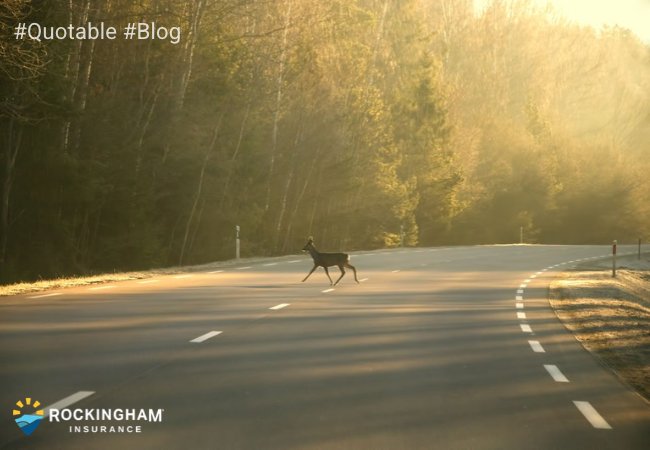
Deer are active throughout the year, but fall brings their breeding season, when they're more likely to move around in search of a mate. Last November, the Virginia Department of Motor Vehicles reported 1,455 deer-related crashes, almost a quarter of these reports for the entire year.
Rural areas can be particularly challenging for drivers, even if you’re familiar with the routes. Roads bordered by woods, open fields and streams often see more wildlife activity, and deer can dart into oncoming traffic with little warning.
Keep these tips in mind when driving in areas where deer may be present:
- Scan the road and shoulders. Watch for movement along the roadside, especially near wooded areas and deer crossing signs.
- Slow down when you spot a deer. Deer often travel in groups, so if one crosses the road, others may follow.
- Use your high beams when appropriate. When there is no oncoming traffic, high beams can help you spot animals farther ahead.
- Give yourself time to react. Maintaining a safe speed and following distance can help you respond to sudden hazards.
A little extra attention can make a big difference when wildlife is on the move.
Adjust to darker evening drives
The end of daylight saving time changes more than the clocks. It also changes the conditions many people experience during their daily commute.
Reduced visibility makes it harder to see obstacles until they're closer, and drivers on rural roads have even less time to react in places where streetlights are limited and curves obstruct views.
Before heading out for a drive, make sure your headlights, brake lights and turn signals are working properly. Clean your windshield inside and out to reduce glare and keep your headlights on whenever visibility is reduced.
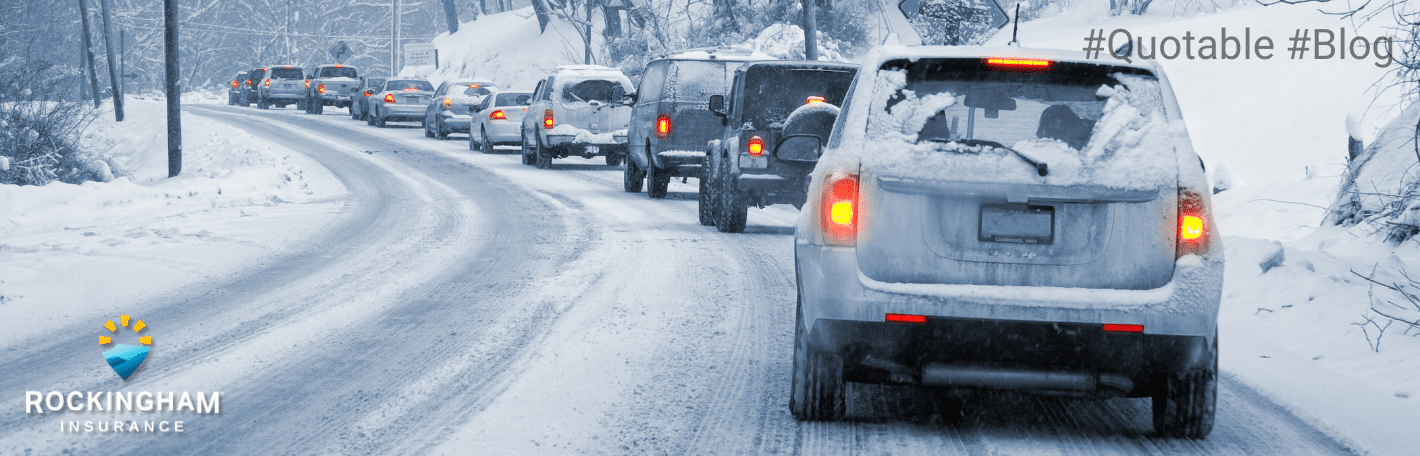
It's also worth adjusting your driving habits. Slow down on unfamiliar or poorly lit roads, avoid distractions and leave extra space between your vehicle and the one ahead. If the road is wet with rain or fallen leaves, remember that it may be slicker than usual and stopping distances may increase.
Deer aren't the only hazards on Virginia roads
Wildlife gets plenty of attention in the fall, but it's not the only thing drivers should watch for, particularly in Virginia's rural communities.
Depending on where you're traveling, you may encounter:
- Farm equipment: Tractors and other large vehicles may move slowly or make wide turns on narrow roads. Give operators plenty of space and wait for a safe opportunity to pass.
- Livestock and other animals: Cattle, horses and other animals may be near roadways, especially around farms and open pastures. Stay alert and slow down if animals are close to the road.
- Sharp curves and changing road conditions: Some roads, particularly rural or mountain roads may have limited shoulders, uneven surfaces or curves that reduce visibility. Follow posted speed limits and adjust your speed to the conditions.
- Fallen branches and debris: Fall storms and strong winds can leave branches, leaves and other debris in the road. Stay focused and avoid sudden maneuvers when approaching an obstacle.
The key is to drive as though you’re always expecting the unexpected. Keeping your attention on the road and giving yourself enough room to respond can help you avoid a dangerous situation.
What if you hit a deer?
Even the most careful drivers can find themselves in a collision with an animal. Knowing what to do can help you protect yourself and handle the situation safely.
If a deer runs into your path, brake firmly while maintaining control of your vehicle. Avoid swerving sharply, which can cause you to lose control or collide with another vehicle or roadside obstacle.
If a collision occurs:
- Get to a safe location. Pull over when it's safe to do so, turn on your hazard lights and check yourself and your passengers for injuries.
- Keep your distance from the animal. An injured deer may kick or move unpredictably, so you shouldn’t approach it or attempt to move it.
- Check your vehicle for damage. If you notice leaking fluids, damaged tires or other issues that make the vehicle unsafe to drive, arrange for a tow.
- Report the collision when required. Follow local reporting requirements and contact law enforcement if there are injuries, significant hazards or other circumstances that warrant assistance.
- Contact your insurance company. Take photos of the damage and scene if it's safe to do so, and notify your insurer to discuss next steps.
Taking these precautions can help you avoid further injury or damage after an already stressful experience.
Does auto insurance cover a collision with a deer?
Whether damage from hitting a deer is covered depends on the type of auto insurance policy you carry. Liability coverage, which is required by Virginia law, helps pay for injuries or property damage you cause to others, but it does not cover damage to your own vehicle. Collision coverage helps pay for damage to your vehicle resulting from a collision with another vehicle or object. Comprehensive coverage helps pay for damage caused by events other than a collision, including hitting an animal such as a deer. Collision and comprehensive coverage are optional under Virginia law, so not every driver carries them. Review your policy to understand what protection you have before an accident happens.
Protecting your vehicle means preparing for the unexpected, whether you're commuting to work, running errands or traveling Virginia's back roads. Contact your local Rockingham Insurance agent today to confirm what your policy covers.
A little preparation can go a long way toward keeping you, your passengers and your vehicle safer on Virginia's roads this fall.
Fall in Virginia brings plenty to enjoy, from colorful foliage to crisp mornings and trips to local farms. But as the days get shorter and wildlife becomes more active, drivers face additional challenges on the road.
After daylight saving time ends in early November, many Virginians will spend more time driving in the dark. With deer collisions also at their peak this time of year, staying alert behind the wheel matters more than ever.
Whether you're traveling along a country road or navigating your daily commute, here are a few things to keep in mind to help you and your vehicle stay safe this fall.
Watch for deer, especially at dawn and dusk
Deer are active throughout the year, but fall brings their breeding season, when they're more likely to move around in search of a mate. Last November, the Virginia Department of Motor Vehicles reported 1,455 deer-related crashes, almost a quarter of these reports for the entire year.
Rural areas can be particularly challenging for drivers, even if you’re familiar with the routes. Roads bordered by woods, open fields and streams often see more wildlife activity, and deer can dart into oncoming traffic with little warning.
Keep these tips in mind when driving in areas where deer may be present:
- Scan the road and shoulders. Watch for movement along the roadside, especially near wooded areas and deer crossing signs.
- Slow down when you spot a deer. Deer often travel in groups, so if one crosses the road, others may follow.
- Use your high beams when appropriate. When there is no oncoming traffic, high beams can help you spot animals farther ahead.
- Give yourself time to react. Maintaining a safe speed and following distance can help you respond to sudden hazards.
A little extra attention can make a big difference when wildlife is on the move.
Adjust to darker evening drives
The end of daylight saving time changes more than the clocks. It also changes the conditions many people experience during their daily commute.
Reduced visibility makes it harder to see obstacles until they're closer, and drivers on rural roads have even less time to react in places where streetlights are limited and curves obstruct views.
Before heading out for a drive, make sure your headlights, brake lights and turn signals are working properly. Clean your windshield inside and out to reduce glare and keep your headlights on whenever visibility is reduced.
It's also worth adjusting your driving habits. Slow down on unfamiliar or poorly lit roads, avoid distractions and leave extra space between your vehicle and the one ahead. If the road is wet with rain or fallen leaves, remember that it may be slicker than usual and stopping distances may increase.
Deer aren't the only hazards on Virginia roads
Wildlife gets plenty of attention in the fall, but it's not the only thing drivers should watch for, particularly in Virginia's rural communities.
Depending on where you're traveling, you may encounter:
- Farm equipment: Tractors and other large vehicles may move slowly or make wide turns on narrow roads. Give operators plenty of space and wait for a safe opportunity to pass.
- Livestock and other animals: Cattle, horses and other animals may be near roadways, especially around farms and open pastures. Stay alert and slow down if animals are close to the road.
- Sharp curves and changing road conditions: Some roads, particularly rural or mountain roads may have limited shoulders, uneven surfaces or curves that reduce visibility. Follow posted speed limits and adjust your speed to the conditions.
- Fallen branches and debris: Fall storms and strong winds can leave branches, leaves and other debris in the road. Stay focused and avoid sudden maneuvers when approaching an obstacle.
The key is to drive as though you’re always expecting the unexpected. Keeping your attention on the road and giving yourself enough room to respond can help you avoid a dangerous situation.
What if you hit a deer?
Even the most careful drivers can find themselves in a collision with an animal. Knowing what to do can help you protect yourself and handle the situation safely.
If a deer runs into your path, brake firmly while maintaining control of your vehicle. Avoid swerving sharply, which can cause you to lose control or collide with another vehicle or roadside obstacle.
If a collision occurs:
- Get to a safe location. Pull over when it's safe to do so, turn on your hazard lights and check yourself and your passengers for injuries.
- Keep your distance from the animal. An injured deer may kick or move unpredictably, so you shouldn’t approach it or attempt to move it.
- Check your vehicle for damage. If you notice leaking fluids, damaged tires or other issues that make the vehicle unsafe to drive, arrange for a tow.
- Report the collision when required. Follow local reporting requirements and contact law enforcement if there are injuries, significant hazards or other circumstances that warrant assistance.
- Contact your insurance company. Take photos of the damage and scene if it's safe to do so, and notify your insurer to discuss next steps.
Taking these precautions can help you avoid further injury or damage after an already stressful experience.
Does auto insurance cover a collision with a deer?
Whether damage from hitting a deer is covered depends on the type of auto insurance policy you carry. Liability coverage, which is required by Virginia law, helps pay for injuries or property damage you cause to others, but it does not cover damage to your own vehicle. Collision coverage helps pay for damage to your vehicle resulting from a collision with another vehicle or object. Comprehensive coverage helps pay for damage caused by events other than a collision, including hitting an animal such as a deer. Collision and comprehensive coverage are optional under Virginia law, so not every driver carries them. Review your policy to understand what protection you have before an accident happens.
Protecting your vehicle means preparing for the unexpected, whether you're commuting to work, running errands or traveling Virginia's back roads. Contact your local Rockingham Insurance agent today to confirm what your policy covers.
A little preparation can go a long way toward keeping you, your passengers and your vehicle safer on Virginia's roads this fall.
Related posts
Read more articles related to the one you just finished.



Car insurance that keeps up with your everyday life. Stay focused on the road ahead and not on the stress of figuring out what’s covered.
Get a Homeowners insurance quote.
Start the process of finding the right coverage for you. Get a quote and compare us to other companies. Then call an agent and get the right coverage for the right price.